Po-Nad-To

Creative education plus purpose equals social impact.

Empowering youth, educators, organisations and communitiesthrough project-based co-creation across film, technology and leadership. A foundation in Warsaw, at work in more than ten countries since 2016.

Partner with us
  • Since 2016 in Warsaw
  • 10 countries
  • 3,500+ trainees
  • 300+ films made in workshops
  • 1 awarded documentary

Totals since 2016, as of October 2026.

What we do

Multidisciplinary workshops and training programmes for education, dialogue and social transformation, using visual arts and technology. Three programmes, one method: people learn by making something real together.

Creative Hubs

Through hands-on projects, young people learn practical tools for teamwork and leadership, and gain the technical skills to create content that matters to their community.

Educator Studios

We give educators proven, project-based techniques to bring lessons to life, and the confidence to guide students through creating their own content.

Bridge Labs

Migrants, minorities and host communities work together on collaborative projects, learning digital skills and building the connections that lead to mutual understanding.

Three ways to work with us

  1. Creative educationTraining programmes for youth and educators, on site or online.
    Partner
  2. Video productionEducational content for organisations, made by our studio OYE Prod.
    oyeprod.com
  3. AI literacyHuman-centred AI workshops for educators and organisations, through OYAI.
    oyai.space

How we work

We start by listening to what people care about and what they need. Only then do we help them try new things and learn by doing. Working on a real project means the new know-how gets used in real life, and the group that made it is stronger afterwards.

Adaptability

New tools, new methods, new places. Learners work on varied projects with different teaching styles, so taking a risk and embracing change becomes normal.

Critical thinking

Ask questions, challenge assumptions, break a complex problem into parts and decide on evidence. Every film is a hundred small decisions.

Teamwork

Nobody makes a film alone. Working in a crew means communicating, listening and respecting other points of view, across backgrounds and cultures.

  • 75 percent hands-on, 25 percent theory
  • From a few hours to several months
  • On site or online, anywhere
  • In English, Polish, French, Spanish, Ukrainian and Russian

Films from the workshops

Every film here was written, shot and edited by participants, with our team beside them. Mini documentaries, short fiction, murals filmed as they were painted, campaigns that changed a conversation. The ring on each film carries the colour of its programme.

Read the demo transcript

At the Po-Nad-To Foundation, we believe creativity is a powerful tool for change. Since 2016, we've worked across 10 plus countries. From Warsaw to Martinique, Tunisia to Mexico, our mission is to turn creativity into a superpower for common good.

Here's how it works. First, we listen. Every project starts in the community and ends as co-creative collaboration.

Whether it's refugees sharing their journeys or teachers reimagining classrooms, their voices lead. We create together through visual arts and digital tools, and the magic occurs when we turn isolation into connection. A teenager gains confidence behind the camera.

Neighbours from different cultures find common ground working on the same project. We build to last. It's not just about making films or using AI, it's about equipping people with skills to create impact.

Long after our trainings, the result still echoes within local networks. Why does it matter? Because a single story shared authentically is powerful enough to shift mindsets and tear down the walls of exclusion.

So don't wait and join us. Let's prove that creativity isn't just about making art, it's about making change.

Po polsku

W Fundacji Po-Nad-To wierzymy, że kreatywność jest potężnym narzędziem zmian. Od 2016 roku działamy w ponad 10 krajach. Od Warszawy po Martynikę, od Tunezji po Meksyk, naszą misją jest przekształcenie kreatywności w supermoc dla wspólnego dobra.

Oto jak to działa. Najpierw słuchamy. Każdy projekt zaczyna się w społeczności i kończy się wspólną, twórczą współpracą.

Niezależnie od tego, czy są to uchodźcy dzielący się swoimi historiami czy nauczyciele na nowo wyobrażający sobie sale lekcyjne, to ich głosy przewodzą. Tworzymy razem poprzez sztuki wizualne i narzędzia cyfrowe, a magia pojawia się gdy zamieniamy izolację w więź. Nastolatek nabiera pewności siebie za kamerą.

Sąsiedzi z różnych kultur znajdują wspólną płaszczyznę, pracując nad tym samym projektem. Budujemy na lata. Nie chodzi tylko o kręcenie filmów czy korzystanie ze sztucznej inteligencji, chodzi o wyposażenie ludzi w umiejętności pozwalające wywierać wpływ.

Długo po zakończeniu naszych szkoleń ich efekty nadal odbijają się echem w lokalnych sieciach. Dlaczego to ma znaczenie? Ponieważ jedna historia opowiedziana w autentyczny sposób ma wystarczającą moc, by zmienić sposób myślenia i zburzyć mury wykluczenia.

Nie czekaj więc i dołącz do nas. Udowodnijmy, że kreatywność to nie tylko tworzenie sztuki, ale także wprowadzanie zmian.

Two minutes of Po-Nad-ToCaptions in four languages

No films in this group yet.

Our story

In 2016 the Po-Nad-To Foundation was born in Warsaw, and its reach quickly stretched far beyond borders. Founded by a team of educators, filmmakers and human rights activists, we united under one belief: creativity is the spark for social transformation.

From Georgia to Guadeloupe, Myanmar to Mexico, Tunisia to Ukraine, we have partnered with communities in more than ten countries, working with youth, refugees and educators to turn their stories into tools for change. Through film, digital tools and hands-on workshops we do not just teach skills. We help people find their voice, connect across cultures and turn ideas into action.

Po-nad-to is Polish for "beyond that". It is also the name of the method: start with what people have, then go beyond it together.

The team

Educators, filmmakers, artists, programmers, musicians and human rights activists. Most of us do two of those things at once, which is the point.
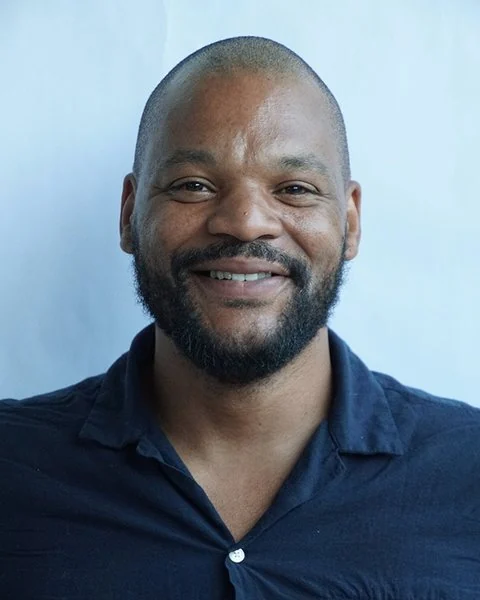
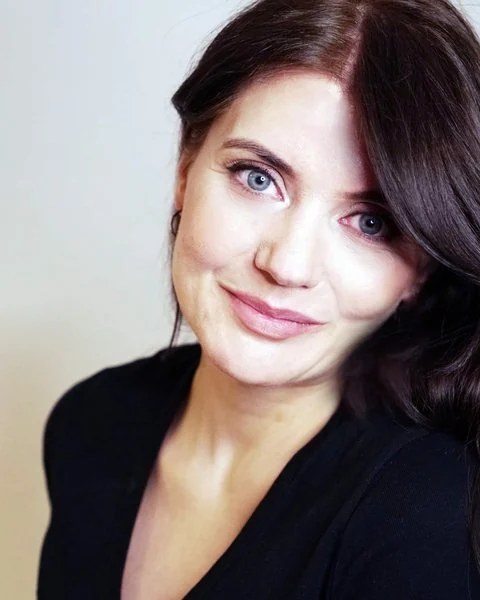
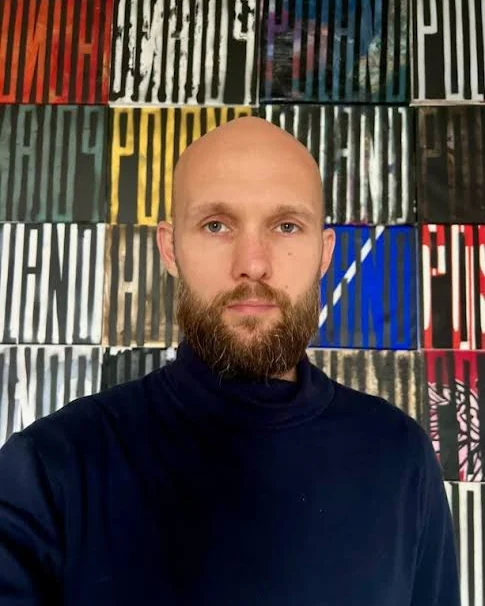
Lude Réno
Lude RénoFounder, creative education filmmaker
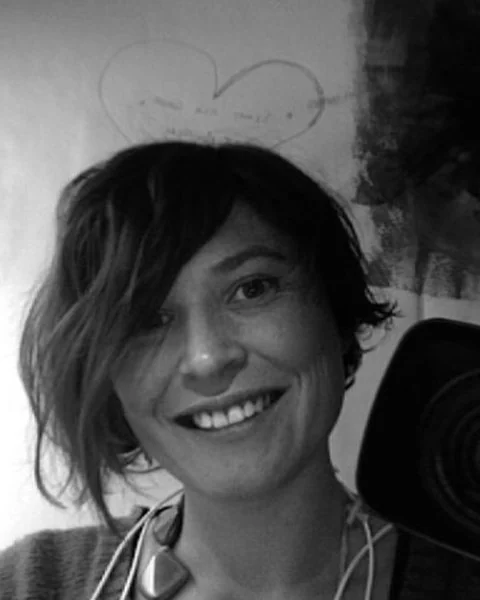
Joanna Łopat
Joanna ŁopatBoard member, journalist and filmmaker
Bartek Kiełbowicz
Bartek KiełbowiczBoard member, artist and activist
Séverine Walter
Séverine WalterCollaborator, filmmaker and artist
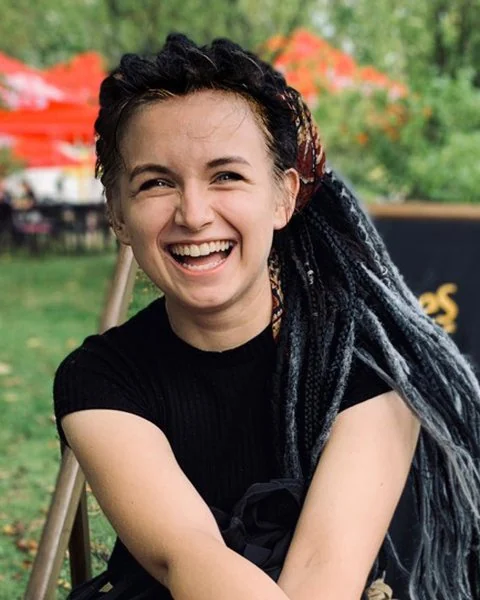
Margarita Minkevich
Margarita MinkevichCollaborator, animator and workshop leader
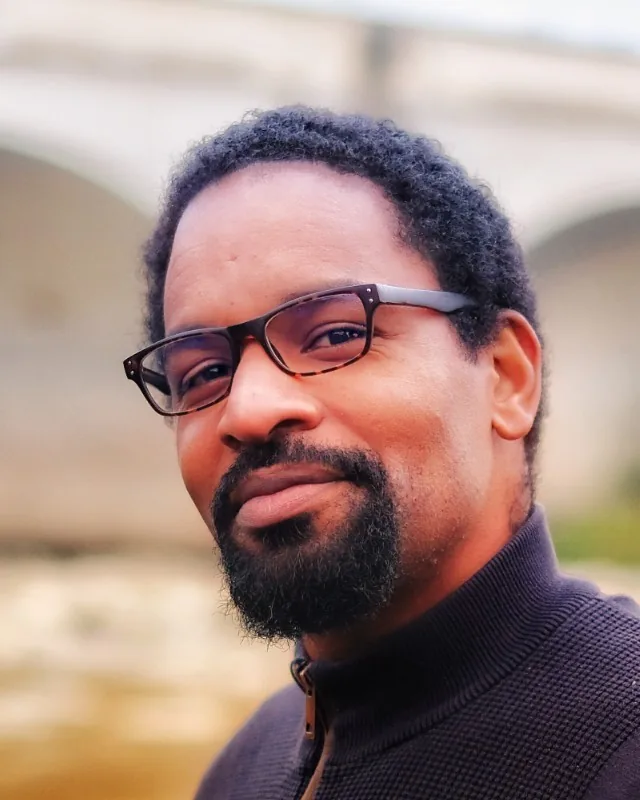
Christophe Réno
Christophe RénoCollaborator, programmer and musician
David Navarro Bravo
David Navarro BravoCollaborator, designer and musician
Xawery Żuławski
Xawery ŻuławskiHonorary member, film director
Mamadou Diouf
Mamadou DioufHonorary member, musician and activist

Funded and supported by

Polish aid, Ministry of Foreign Affairs of the Republic of Poland Funded by the European Union City of Warsaw Habitat for Humanity National Democratic Institute Friedrich Naumann Foundation for Freedom, South Caucasus

Built together with

Fundacja Inna Przestrzeń, The Other Space Foundation Fundacja Ocalenie One Caucasus Festival Fundacja Dom Pokoju, Wrocław Centrum Wielokulturowe w Warszawie Fundacja Life Polska Kiwi, Katalizator Inicjatyw Wielokulturowych Centrum Kultury Izabelin Instituto de la Cultura y las Artes de Quintana Roo Bacalar, Pueblo Mágico Más y Mejores Oportunidades Casa Internacional del Escritor de Bacalar

Get involved

Whatever you bring, code, creativity or an institution behind you, you will leave with more than you put in. One belief connects all three doors: creativity is the spark for social change. Bring yours and we will help it grow.

Volunteer

No technical background needed, we train most roles. Facilitate a workshop in film, storytelling or digital skills, translate across the languages we work in, or help with communication. Remote or on site, a few hours a week is enough.

Tech volunteers help build the EdTech and AI tools we use in-house, through OYAI. What you ship gets used: a feature you build this month can be in an educator's hands the next.

Apply to volunteer

Name, email and consent are required.

Partner

Schools, NGOs, companies, public bodies, collectives and independent artists: partnering with us means co-creating something neither of us could build alone. Together we design workshops, develop curricula and write joint grant applications, sharing the cost, the reach and the credit.

  • Co-hosted workshops, designed and delivered together
  • Curriculum development for your audience
  • Training for trainers
  • Joint grant applications
Start a conversation

All fields except the website are required.

Questions people ask

If yours is not here, write to us. A conversation is how every partnership and every volunteer role here begins.

About the foundation

What is Po-Nad-To?

Fundacja Po-Nad-To is a non-profit foundation founded in Warsaw, Poland, in 2016. We run film, digital skills and AI literacy programmes with young people, educators and migrant communities, on site and online, and have worked in more than ten countries.

Where do you work?

Our base is Warsaw. We have run projects in more than ten countries, among them Georgia, Guadeloupe, Mexico, Myanmar, Tunisia and Ukraine. On site we prioritise places where we speak the language. Online, we work worldwide.

How can a funder see your results?

Start with the films on this page, sorted by programme. For annual reports and project results, email letstalk@ponadto.foundation.

Volunteering

What volunteer roles are there?

Creative and technical roles alike:

  • Workshop facilitators in film, storytelling and digital skills, on site
  • Tech volunteers for EdTech development and programming, on site or remote
  • Translators for Polish, English, French, Spanish, Ukrainian, Russian, Georgian and Italian, remote or on site
  • Marketing, to promote our work and projects, on site or remote
Do I need prior experience?

Not at all. We provide short trainings for most roles. A strong will to learn, curiosity and a laptop are the only requirements. For tech volunteers, prior experience, even self-taught, is appreciated.

Can I volunteer remotely from another country?

Absolutely. We welcome remote volunteers in IT and tech, translation and editing, and community initiatives: we support volunteers launching local projects. Distance is no barrier.

How do I apply?

Use the volunteer form or email volunteer@ponadto.foundation with your name and country, your interest area, your languages and your availability in hours per week.

Tech volunteering

Which tech skills are useful?

Strength in one is enough:

  • Front-end and web development: React, TypeScript, Tailwind and Vite, for the EdTech and knowledge-transfer tools we build in-house
  • AI and NLP fine-tuning, adapting models for educational use, the core of OYAI, our human-centred AI work
  • Educational app and tool development, improving the platforms our workshops run on
  • Data analysis for impact measurement, turning project data into proof for funders and partners

Comfort with Git and collaborative workflows is a plus. Strong in something adjacent? Tell us anyway.

Can I contribute to open-source projects?

Yes, open contribution is part of how we work. We are organising our public repositories, so we are not sharing links yet. Email volunteer@ponadto.foundation with "Open Source" in the subject and we will bring you in as projects open up.

Schools and educators

Can a school book a workshop?

Yes. A workshop lasts from a few hours to several months, on site or online, in English, Polish, French, Spanish, Ukrainian or Russian. Use the partner form and tell us about your group and your goal. We build the programme with you.

What do educators learn in an Educator Studio?

Project-based techniques that bring lessons to life, and the confidence to guide students as they create their own content. Three quarters of the time is hands-on.

Do you train educators and NGOs in AI?

Yes, through OYAI, our human-centred AI literacy programme for educators and organisations. See oyai.space.

Partnerships

Who can partner with Po-Nad-To?

Most likely, you. Schools and universities, NGOs serving youth, migrants or advocacy, tech companies for EdTool development and AI, local governments running integration programmes, non-formal collectives, artists and communities. If your work touches creative education in any way, there is almost certainly something we can build together.

Are there geographic restrictions?

We prioritise places where we speak the language: Polish, French, English and Spanish. Online, we work worldwide.

What does a partnership look like?

Every partnership is co-created, so no two look alike. What stays the same is how we begin: with a conversation. Getting there follows four steps.

  • Contact. You reach out and we set up a first conversation.
  • Mutual understanding. We map how both organisations work and what each side needs.
  • A draft timeframe. Together we sketch a realistic schedule with milestones.
  • A cooperation agreement. A simple written contract, so both sides feel secure.

It is never a service you buy. It is a partnership you help shape.

Donations

How will my donation be used?

Directly in the work: workshop materials, equipment such as computers and cameras, and training programmes for educators and workshops for youth.

Can I donate equipment instead of money?

Absolutely, and we put it straight to work. We are looking for laptops, smartphones, video cameras and audio recording equipment. Shipping address: Fundacja Po-Nad-To, ul. Nowy Świat 23/25, lok. 32, 00-029 Warsaw, Poland.

Is my donation tax-deductible?

We issue a receipt for every donation. Whether it is deductible depends on where you live, since the rules differ from country to country. Keep your receipt and check your local regulations. For a receipt for a specific donation, email giving@ponadto.foundation.

Let's talk.

letstalk@ponadto.foundation

Fundacja Po-Nad-To
ul. Nowy Świat 23/25, lok. 32
00-029 Warsaw, Poland

Creative Hubs

Where young people build, lead, and create

Hands-on creative projects that turn curiosity into real skills and turn local stories into content that matters.

Learning by making something real

Creative Hubs are intensive, project-based experiences where children and youth work side by side with professional artists, filmmakers and creative technologists. Instead of sitting through lessons, participants take part in every stage of production: shaping the idea, writing the script, filming, performing and editing. The finished work is genuinely theirs, made with their own hands and voices.

Each Hub is built around a single creative output, usually a film, an animation, a music video or a mural. That shared goal gives young people a reason to collaborate, solve problems and push their ideas further than they thought possible.

Our purpose

To give young people practical tools for teamwork, leadership and self-expression. We believe creative skills are life skills. When a teenager learns to direct a scene or finish an edit, they also learn to plan, negotiate and see a project through to the end.

What youth gain

Real technical ability in film, animation, photography and digital tools, alongside the confidence that comes from making something the whole community can see. Participants leave with a finished work, a portfolio piece and proof that their perspective is worth sharing.

Three projects that show the range

From a Polish village to a Mexican neighbourhood to a Georgian field, every Creative Hub looks different. What stays the same is young people in charge of the work.

Georgia, life skills

First Aid Man

Thirty-two local participants and international volunteers from Nigeria, Azerbaijan, France and Japan teamed up to film three real first aid tutorials in a Georgian village. Practical, life-saving skills learned by making something genuinely useful for the community.

Mexico, spoken word

Mi Entidad

Young poet Elifal Toledo uses spoken word to connect his Mayan roots with his modern identity. A raw, cinematic visual poem about heritage and the land of Bacalar, made together with local creators.

Poland, documentary

Purda With Passion

High schoolers in a small Polish village decided who their real heroes are, turning their cameras on a local rugby coach and a beekeeper. Long after the workshop ended, the students kept making films on their own.

See all Creative Hubs films

Educator Studios

Giving teachers the tools to bring lessons to life

Practical, project-based training that helps educators move past the lecture and guide students to create their own content.

Teaching teachers how to make learning active

Educator Studios are training programmes for teachers, activists and youth workers. We share the same hands-on methods we use with young people, so educators can run creative, project-based lessons on their own long after we leave. Sessions combine filmmaking, animation, digital tools and now generative AI, all aimed at one outcome: students who learn by doing.

Every Studio is rooted in the real classroom. Teachers do not just hear about a method, they try it, build a project with it and walk away with a plan they can use the next week.

Our purpose

To equip educators with proven techniques and the confidence to use them. When a teacher learns to let students co-create a lesson, the whole classroom changes. Our goal is lasting impact that spreads far beyond a single workshop.

What educators gain

A toolkit of creative methods, fluency with practical digital and AI tools, and a network of peers doing the same work. They leave ready to turn ordinary classrooms into spaces where students take the lead.

Three programmes that reached real classrooms

From rural Georgia to regional Tunisia, these Studios trained educators who then carried the methods home to hundreds of students.

Tunisia, citizen media

First Step

A programme that strengthened citizen journalism in regions facing real social challenges, building a lasting network of activist filmmakers and the educational tools to keep sharing those skills. More than 300 people trained, many now working in Tunisian media.

Georgia, field research

Mapping Freedom 2019

Thirty-five young people were trained in interviewing and filming, then collected sixty video interviews mapping what freedom means to Georgian, Armenian and Azeri communities. The same word, very different answers depending on who you ask.

Mexico, documentary

Girls United

Our team documented the very first steps of Girls United in Bacalar, when it was just one woman and a football. The movement has since grown to 35 locations including London and Mexico City, reaching over 7,800 girls with 176 coaches.

See all Educator Studios films

Bridge Labs

Different communities, one shared creative project

Migrants, minorities and host communities build something together, learning digital skills and creating the connections that lead to mutual understanding.

Collaboration that turns strangers into a team

Bridge Labs bring together young people from very different backgrounds: refugees and locals, minorities and majorities, newcomers and long-time residents. They work on one shared creative project, usually a film, a mural or a media piece, where every voice has to be heard for the work to succeed. Collaboration is not a side effect here. It is the whole point.

By making something side by side, participants move past stereotypes and discover what they have in common. The digital skills they gain are real and useful. The relationships they build are what last.

Our purpose

To create real connection through shared creative work. We use art and media as common ground where people who might never otherwise meet can collaborate as equals and tell a story together.

What participants gain

Digital and creative skills, a finished project the community can see, and friendships across lines that usually keep people apart. Integration here is mutual, with everyone learning from everyone else.

Three labs that brought communities together

In Warsaw, Saint-Denis and Wrocław, young people from many backgrounds turned a shared project into a bridge between them.

France, documentary

La Ville des Rois

Ten young people from Saint-Denis and Pierrefitte spent six intensive days filming their own neighbourhoods, redefining the French motto on their own terms. Their documentary was screened for the mayor and city officials.

Warsaw, refugee youth

Stranger Plants

Four displaced Ukrainian girls had just three hours to make something. They spoofed a hit Netflix series, using the Upside Down as a metaphor to talk about war without graphic images or re-traumatising themes.

Warsaw, stop-motion

Home-Habitat

Primary school students scripted and hand-drew a stop-motion film about why millions of people are forced to leave their homes. A child's honest perspective on displacement, made after they learned the facts for themselves.

See all Bridge Labs films